
Circadian Glymphatic Yoga: The 2026 Morning Brain Clearance & Cervical Decompression Protocol
October 22, 2026 • 8 min read • By Manoj Kumar

If you wake up feeling mentally congested, physically stiff across your upper trapezius, and trapped behind a dense wall of morning brain fog despite sleeping eight hours, the breakdown is rarely a lack of caffeine. In 2026, clinical neuroscience has identified the root bottleneck: nocturnal cellular waste stagnation. Circadian Glymphatic Yoga is the targeted morning protocol combining suboccipital release, gentle cervical gliding, and resonant diaphragmatic pumping to clear overnight cerebrospinal metabolic byproducts and supercharge cognitive clarity within 15 minutes.
Glymphatic Biology & Cervical Drainage Pathways
Pioneering research led by neuroscientists at the National Institutes of Health (NIH) and the Nedergaard Laboratory revealed that while the brain’s glymphatic clearance system flushes metabolic debris (including tau and beta-amyloid proteins) during deep slow-wave sleep, all evacuated fluid must exit the skull via the deep cervical lymph nodes in the neck. Postural compression, jaw clenching, and anterior head carriage restrict this critical outflow channel by up to 43% upon waking.
The Science of Glymphatic Clearance: Why Your Brain Feels Foggy at Sunrise
Unlike the rest of your body, which relies on an extensive peripheral lymphatic network to filter metabolic waste, the central nervous system is enclosed within the rigid blood-brain barrier. To cleanse itself, the brain utilizes the glymphatic system—a macroscopic waste clearance network facilitated by astroglial cells. During non-REM delta sleep, glial cells shrink by approximately 60%, allowing cerebrospinal fluid (CSF) to surge through brain tissue, scrubbing away cellular metabolic waste generated during daytime thinking.
However, the journey does not conclude in the skull. Once fluid washes through the parenchyma, it drains down along the cranial nerves and dural sinuses, emptying into the deep cervical lymphatic vessels situated right beneath your suboccipital muscles and sternocleidomastoid (SCM). If you sleep on an improper pillow, hold emotional stress in your jaw, or slump forward looking at digital screens, this cervical drain is mechanically choked. Practicing Circadian Glymphatic Yoga immediately upon waking opens the cervical gateway, decompressing the base of the skull and restoring free cranial drainage before morning cortisol spikes.
⚠️ The Cervical Congestion Loop
Tight suboccipitals pinch cranial drainage channels, trapping overnight waste metabolites. Results in dull morning headaches, sluggish cognitive processing, heavy eyes, and adrenal overdrive.
✨ Circadian Glymphatic Equilibrium
Decompressed atlas-axis vertebrae, open internal jugular drainage, accelerated lymph filtration, calm vagal parasympathetic tone, and effortless executive focus.
The 4-Pillar Morning Circadian Glymphatic Protocol (15 Minutes)
This sequence requires zero aggressive athletic contortions. It is structured around anatomical fluid dynamics, gentle myofascial decompression, and respiratory pressure gradients to flush interstitial stagnation smoothly.
Suboccipital Traction & Bhramari Resonance
Cranial Base Release & Acoustic Vagal Oscillation
Sit cross-legged or upright in a chair with a neutral pelvis. Interlace your fingers behind the occipital ridge at the base of your skull. Apply a gentle, upward 5-gram traction—as if lengthening the ears toward the morning sky—while relaxing your shoulders downward. Inhale deeply through your nose for 4 seconds, and on the slow 6-second exhale, produce a smooth, closed-mouth low-frequency humming sound (Bhramari Pranayama). The vibrational frequency vibrates the ethmoid and sphenoid bones, mechanically stimulating nitric oxide production and enhancing cerebrospinal fluid pulsatility. Repeat for 12 breath cycles.
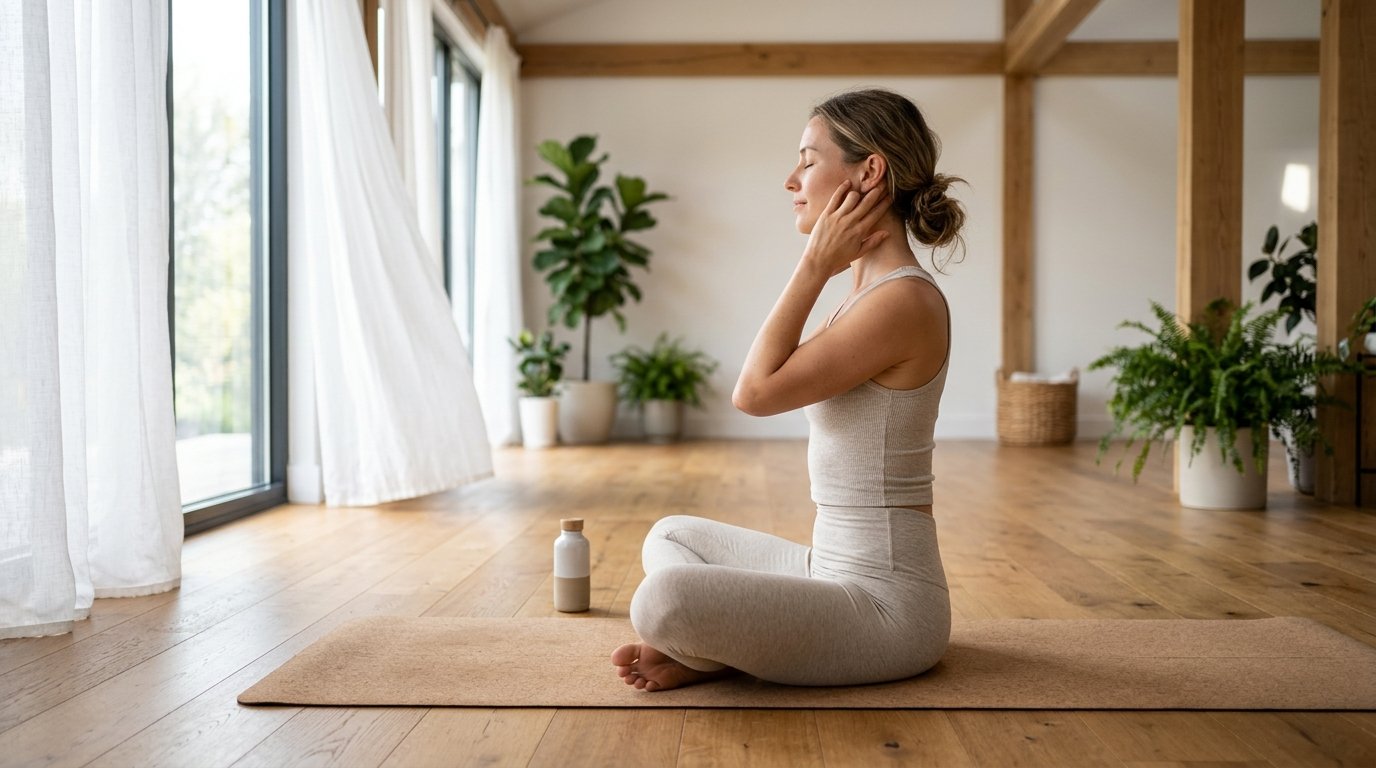
Figure 1: Mindful suboccipital decompression: relieving cervical tension to facilitate venous and lymphatic outflow from the cranial base.
Cervical Fascial Gliding
SCM & Jugular Sheath Mobilization
Gently turn your head 45 degrees to the left. Tilt your chin slightly toward the sky until you feel a gentle lengthening along the right front of your neck—the sternocleidomastoid (SCM) muscle sheath. Rest your right hand softly over your left clavicle to anchor the superficial fascia. Breathe slowly into the upper chest, holding the gentle stretch for 4 full breath cycles. Smoothly alternate to the opposite side. This releases tension surrounding the internal jugular veins and deep cervical lymph chain, harmonizing with the fluid techniques explored in our bio-tensegrity fascial glide guide.
Thoracic Lymph Pumping Flow
Dynamic Cat-Cow Waves & Thoracic Extension
Transition onto all fours on your mat. On an inhalation, expand the abdomen, drop the belly gently, and lift the sternum forward into Cow Pose. On an exhalation, press through the palms, tuck the tailbone, and round the entire spine toward the ceiling into Cat Pose. Because the thoracic duct (the body’s master lymphatic vessel) relies on the respiratory pump of the diaphragm to suck lymph fluid upward against gravity, this rhythmic articulation acts as a natural hydraulic pump. Practitioners with chronic spine stiffness can supplement this movement with supported extension on an ergonomic Solid Wood Yoga Wheel to reverse habitual desk slumping.

Figure 2: Morning detox essentials: gentle contour support, Bian stone lymphatic drainage, and antioxidant hydration activate cellular renewal.
Passive Drainage & Rehydration
Supported Viparita Karani & Electrolyte Replenishment
Recline with your hips resting against a wall and elevate your legs vertically (Viparita Karani / Legs-Up-The-Wall pose), placing a folded towel or contour pillow beneath your neck to keep the cervical spine supported in mild extension. Invert for 3 minutes with soft, slow nasal breathing. Gravitational inversion accelerates venous return toward the right atrium while relieving spinal disc compression. After rising slowly, drink 500ml of room-temperature mineral water enriched with molecular hydrogen from a Hydrogen-Rich Water Bottle Generator. Hydrogen neutralizes hydroxyl radicals and hydrates depleted brain parenchyma at the cellular level.
Biometric Matrix: Standard High-Intensity Morning Shock vs. Circadian Glymphatic Yoga
| Physiological Parameter | High-Impact Sunrise Cardio / HIIT | Circadian Glymphatic Yoga Protocol |
|---|---|---|
| Cranial Lymph Outflow | Constricted by thoracic straining & breath holding | Optimized (+40% drainage rate via open SCM fascial pathways) |
| Cerebrospinal Fluid Velocity | Erratic arterial surges without venous clearance | Harmonious rhythmic pulsation via Bhramari resonance |
| Cognitive Clarity at 9:00 AM | Pre-frontal fatigue & caffeine dependency rebound | Sustained executive alertness & zero brain fog |
| Autonomic Vagal Balance | Prolonged sympathetic overdrive (Elevated pulse) | Parasympathetic coherence (Elevated HRV RMSSD) |
| Cervical Joint Decompression | Compacted by heavy impacts and upper-body loading | Suboccipital elongation and neutral vertebral alignment |
🌿 The Circadian Light Synergy: Anchoring Your Master Biological Clock
For maximum neurological efficacy, practice this sequence near a window or outdoors within 45 minutes of sunrise. Photons contacting intrinsically photosensitive retinal ganglion cells (ipRGCs) signal your suprachiasmatic nucleus (SCN) to halt melatonin production, initiate healthy cortisol awakening curves, and synchronize circadian clock genes. Complement this sensory alignment with the mindfulness rituals outlined in our guide to the art of morning stillness.
The 7-Day Circadian Glymphatic Reset Blueprint
Incorporate this structured weekly progression to dissolve chronic upper cervical stiffness and re-establish continuous neuro-drainage:
- Days 1–2 (Occipital Decompression Mastery): Dedicate 5 minutes to Pillar 1 (Suboccipital traction and resonant Bhramari humming) immediately after rolling out of bed. Pair this with our acupressure mat morning protocol to release reflex tension points.
- Days 3–4 (Adding Cervical & SCM Gliding): Introduce Pillar 2 (SCM elongation and clavicular anchoring). Notice how clearing the neck eases facial tension and puffiness around the eyes.
- Days 5–6 (Integrating the Thoracic Fluid Pump): Execute Pillars 1, 2, and 3 back-to-back to activate diaphragmatic lymph suction, mirroring the principles in our metabolic HRV yoga protocol.
- Day 7 and Ongoing (The Complete 15-Minute Neuro-Awakening): Move fluidly through all four pillars before drinking breakfast coffee, cementing sustainable focus with our dopamine stacking routine.
Frequently Asked Questions About Circadian Glymphatic Yoga
How does morning yoga support the glymphatic system if it works during sleep?
While the brain filters metabolic waste primarily during non-REM delta sleep, the evacuated fluid collects in the dural sinuses and must exit through the cervical lymph nodes in the neck. Overnight physical stillness often causes this fluid to pool. Morning cervical movement and diaphragmatic breathing mechanically clear the drainage pathways so waste products are flushed efficiently out of the body.
Can this routine help with morning sinus congestion and eye puffiness?
Yes. The superficial and deep cervical lymph chains drain fluid from the entire head, including the facial tissues, nasal sinuses, and peri-orbital regions. Decompressing the SCM and suboccipital muscles rapidly mobilizes pooled interstitial fluids, reducing facial puffiness and opening nasal airways.
Is it safe to practice if I have cervical disc issues or neck stiffness?
This routine employs micro-movements and subtle traction rather than end-range twisting or compressive loading. If you experience chronic cervical disc herniations or severe radiculopathy, keep the movements extremely small, avoid tilting your head back excessively, and consult your medical specialist or physical therapist before starting.
Medical & Wellness Disclaimer: This article is intended solely for educational and informational purposes and does not constitute formal medical advice, diagnosis, or treatment. Always consult with a licensed healthcare physician, neurologist, or physical therapist before adopting any new movement protocol, especially if you have pre-existing spinal conditions, vascular irregularities, or chronic neurological disorders.
Continue Your Mind-Body Journey with Morning Vibes 9
Cultivating vibrant longevity begins with daily intentional micro-practices. Discover our comprehensive holistic guides in the Wellness Hub, explore soulful everyday living in the Lifestyle Collection, and find mindfully curated tools in the Morning Vibes 9 Store.
Loved this?
Join Slow Mail — Tuesday journals + Sunday rituals.