
Wall Yoga for Lymphatic Drainage: 5 Restorative Inversions
September 30, 2026 • 5 min read • By Manoj Kumar
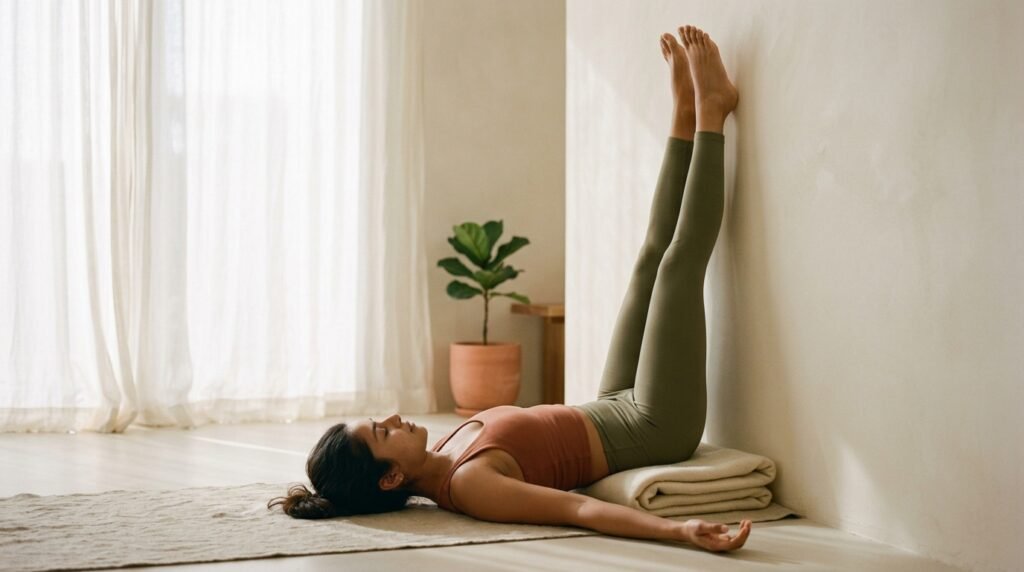
Prolonged desk sitting, long flights, and daily physical fatigue frequently cause sluggish circulation and localized fluid retention in the lower extremities. Incorporating targeted wall yoga for lymphatic drainage provides a gentle, gravity-assisted method to mobilize stagnant interstitial fluid, reduce venous pooling, and stimulate the body’s immune clearance pathways. By using the structural stability of a wall for passive inversions, practitioners can relieve leg heaviness and restore full-body vitality without muscular exertion.
The Physiology: How Wall Yoga for Lymphatic Drainage Works
Unlike the cardiovascular system, which relies on the continuous pumping of the heart, the lymphatic system has no central pump. Instead, lymph fluid moves through one-way valve vessels solely via muscular contraction, respiratory pressure changes, and gravitational gradients. Clinical evaluations indexed in the National Library of Medicine (PubMed) show that passive elevation of the lower extremities significantly lowers venous hydrostatic pressure, accelerating the clearance of metabolic cellular waste toward the central thoracic duct.
When practicing restorative wall yoga for lymphatic drainage, inverted positioning allows gravity to drain excess fluid accumulated in the ankles, calves, and pelvis. This sudden shift in venous return stimulates baroreceptors in the carotid sinus and aortic arch, triggering the parasympathetic nervous system to slow resting heart rate and lower systemic blood pressure. Hemodynamic investigations published in Frontiers in Physiology demonstrate that this gentle venous unloading enhances tissue oxygenation, reduces peripheral edema, and supports immune filtration through key regional lymph nodes.
🌿 The Gravitational Drainage Principle
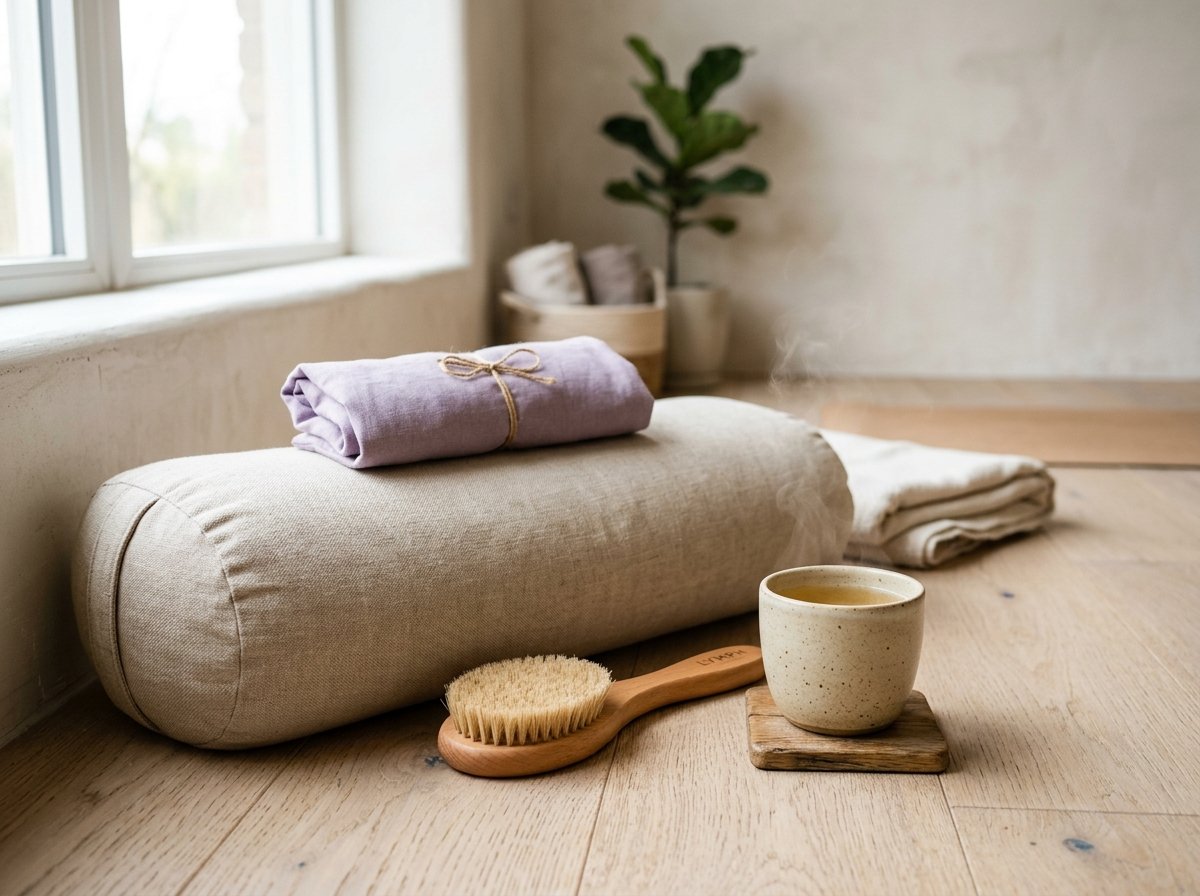
To optimize lymph return without placing pressure on the lumbar spine, place a firm folded blanket or rectangular bolster 3 to 5 inches away from the wall beneath your sacrum. This slight pelvic elevation ensures that the lower abdomen rests below the hips, creating a seamless downward gradient directly toward the cisterna chyli and thoracic lymph trunk.
5 Restorative Wall Asanas to Clear Fluid & Reset Energy
This 15-minute sequence is best practiced in the late afternoon or before bedtime. Wear comfortable, non-restrictive clothing and focus on steady, rhythmic nasal breathing.
Legs-Up-The-Wall Pose (Viparita Karani)
Sit sideways against the wall with your right hip touching the baseboard. In a smooth motion, pivot onto your back and extend both legs straight up the wall. Rest your arms comfortably by your sides with palms facing upward. Invert the legs completely to allow gravity to drain peripheral blood and lymph back toward the heart, instantly relieving tired, swollen legs.
Wall Butterfly Pose (Wall Baddha Konasana)
From Viparita Karani, bend both knees and bring the soles of your feet together, letting your heels slide down the wall toward your pelvis. Allow the inner knees to open naturally toward the sides. This pose opens the groin and gently compresses the inguinal lymph nodes, stimulating deep lymphatic drainage through the pelvic bowl and lower abdomen.
Wall Wide-Leg Straddle (Wall Upavistha Konasana)
Slowly open both legs into a wide V-shape along the wall until you feel a gentle, pleasant stretch along the inner adductor muscles and hamstrings. Rest here for 3 minutes while taking expansive belly breaths. The combination of gravity and passive inner thigh lengthening unblocks fascial tension along the medial lymph vessels of the legs.
Wall Eye-of-the-Needle (Wall Sucirandhrasana)
Bend your left knee and place the left foot flat on the wall. Cross your right ankle over your left knee, creating a figure-four shape. Adjust the height of the left foot to regulate the stretch in the right gluteus and piriformis. Hold for 90 seconds per side. Releasing deep hip rotators decompresses the sciatic nerve and enhances pelvic lymph transit.
Supported Restorative Savasana
Slide your hips back away from the wall and rest your lower calves onto the seat of a chair or bolster, lying completely flat on the floor. Place a lavender eye pillow over your eyes and let your breathing become quiet and natural. This integrates the circulatory reset and seals the nervous system in a restorative state.
Clinical Precautions & Mindful Recovery Habits
Wall inversions are gentle and safe for most individuals; however, sensible modifications should be observed. If you have unmedicated high blood pressure, glaucoma, detached retina, or acute neck issues, avoid extreme elevation and keep a bolster under your back to maintain a milder incline. If you experience tingling or numbness in the feet while inverted, bend your knees into your chest for several breaths before returning to the posture.
For holistic daily vitality, combine your wall yoga practice with other evidence-based routines: stimulate digestive motility with our yoga for gut health sequence, practice pranayama for nervous system reset to enhance diaphragmatic pumping, and transition into deep sleep with our Yoga Nidra for sleep protocol. You can also explore organic bolsters and ergonomic props in our curated wellness storefront.
Frequently Asked Questions
How long should I hold wall yoga poses for lymphatic drainage?
Holding Viparita Karani and wall variations for 10 to 15 minutes is the ideal duration to facilitate complete venous drainage and lower peripheral tissue pressure without muscular strain.
Does wall yoga help with heavy legs and swollen ankles?
Yes. The elevated angle reverses the hydrostatic pressure gradient in the veins and lymphatics, allowing pooled interstitial fluid to flow smoothly back toward the circulatory system for excretion.
Can I practice wall yoga every day?
Yes. Daily practice, especially in the evening or after long periods of sitting or standing, is highly beneficial for maintaining healthy lymphatic circulation and reducing fatigue.
By taking 15 minutes each day to practice restorative wall yoga, you grant your circulatory and immune systems the passive recovery they need to keep you energized, light, and renewed.
Loved this?
Join Slow Mail — Tuesday journals + Sunday rituals.