
Pranayama for Nervous System: 4-Stage Resonant Protocol
September 25, 2026 • 5 min read • By Manoj Kumar
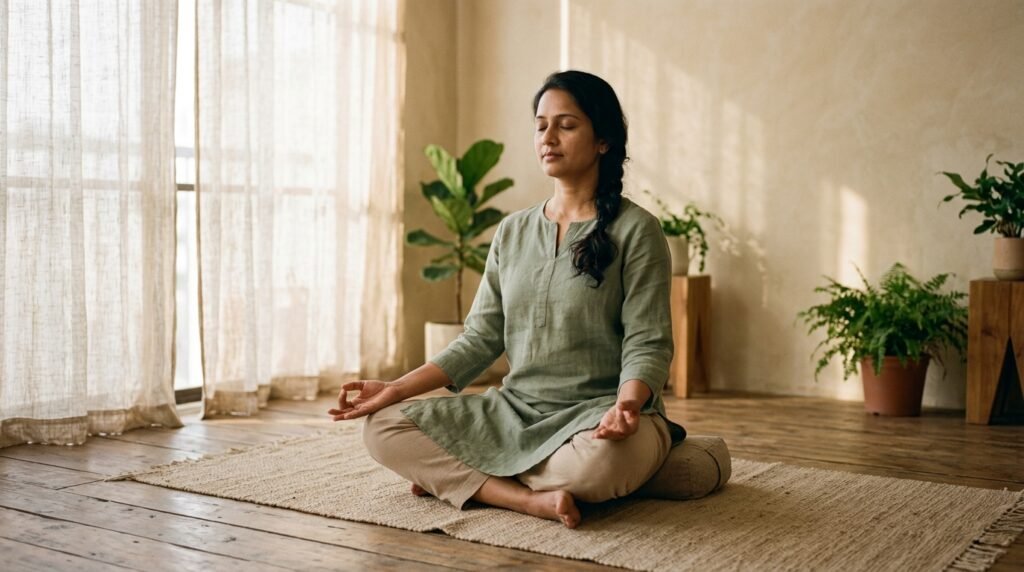
In our high-demand modern environment, chronic sensory overstimulation and digital fatigue keep the autonomic nervous system locked in an exhaustive state of sympathetic fight-or-flight. Utilizing targeted pranayama for nervous system regulation offers a scientifically validated method to downregulate hyperactive stress responses, enhance baroreflex sensitivity, and activate the restorative vagus nerve. By transforming conscious respiration into a precision neurological intervention, practitioners can shift their physiological baseline from chronic tension to deep somatic equilibrium in minutes.
The Neuroscience: How Pranayama for Nervous System Regulation Works
Modern clinical neuroscience recognizes respiration as the primary voluntary gateway to the autonomic nervous system. While cardiovascular pacing, hormonal secretions, and digestive peristalsis operate largely on involuntary autonomic circuits, breathing uniquely bridges conscious volition and reflexive visceral control. Landmark clinical trials indexed in the National Library of Medicine (PubMed) demonstrate that slow, paced breathing at approximately 5.5 to 6 breaths per minute—clinically termed resonant frequency or 0.1 Hz breathing—synchronizes pulmonary stretch receptors with cardiac oscillations to generate maximum Heart Rate Variability (HRV).
When you practice intentional pranayama for nervous system restoration, prolonged smooth exhalations stimulate the afferent branch of the tenth cranial nerve (vagus nerve). This neuromuscular trigger releases acetylcholine across cardiac pacemaker cells and gastrointestinal tissue, immediately lowering resting heart rate, decreasing peripheral vascular resistance, and dampening amygdala hyperactivity. Neuroimaging evaluations cited in Frontiers in Human Neuroscience show that this rhythmic feedback loop enhances prefrontal oxygenation, sharpens executive focus, and alleviates systemic biological stress markers.
🌿 Clinical Resonance Rule
True autonomic restoration does not require extreme breath retention or rapid hyperventilation. The clinical gold standard for neurological recovery is smooth, uninterrupted diaphragmatic airflow where the exhalation is equal to or extended past the inhalation (1:1 to 1:2 ratio), maintaining a steady cadence of 5.5 seconds in and 5.5 seconds out.
The 4-Stage Resonant Pranayama Protocol
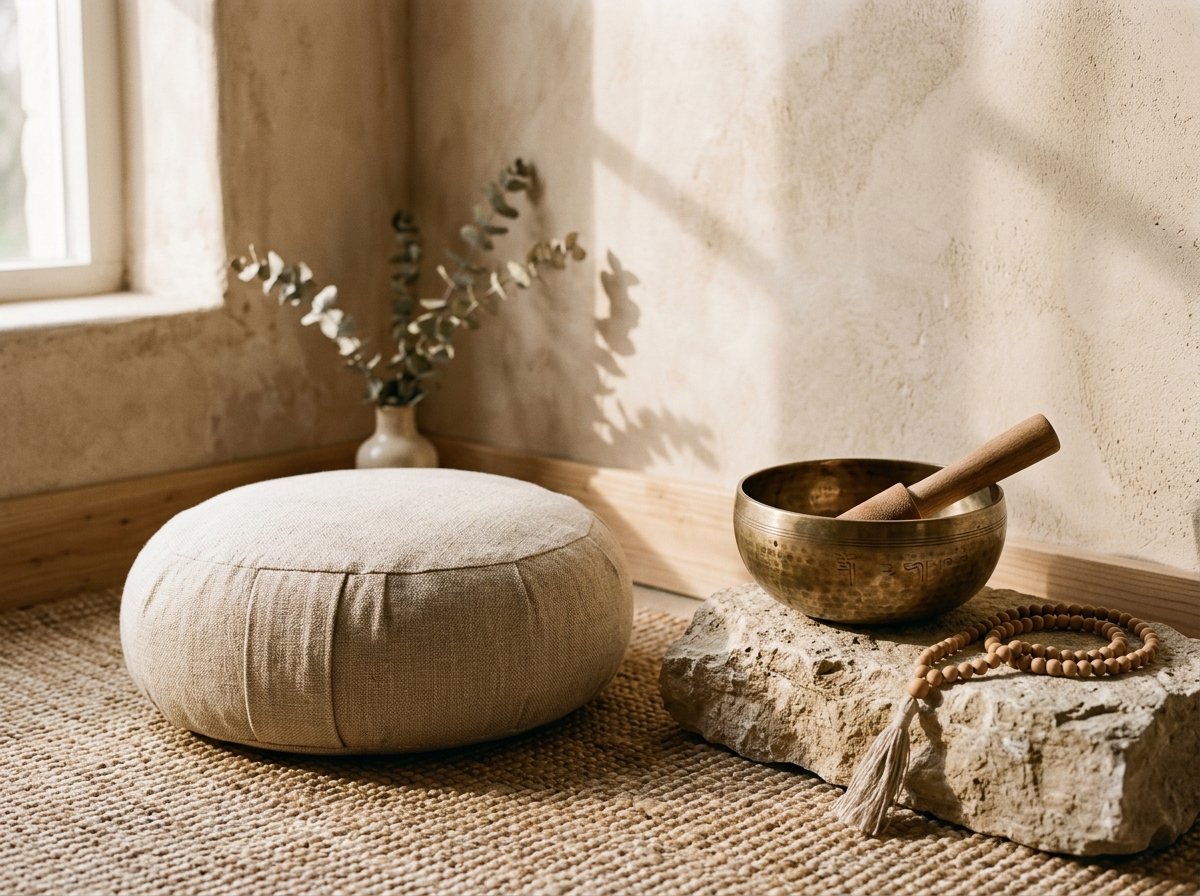
This comprehensive 15-minute daily routine integrates classical yogic breath mechanics with contemporary baroreflex biofeedback pacing to maximize parasympathetic vagal recovery. Practice seated comfortably with an upright, elongated spine, either on a supportive meditation cushion or a stable chair with feet grounded flat.
Diaphragmatic Grounding (Adham Pranayama)
Place one hand over the center of the sternum and the other over the lower abdomen just beneath the navel. Inhale softly through the nose, ensuring the lower abdomen expands three-dimensionally while the upper chest remains relaxed and stable. Exhale gently, feeling the abdominal wall retreat toward the spine. This immediately engages the phrenic nerve and eliminates compensatory neck and shoulder tension.
Sama Vritti 0.1 Hz Resonant Pacing
Establish an unbroken, fluid breath rhythm: inhale smoothly through the nose for a continuous 5.5-second count, and exhale with relaxed control for an equal 5.5-second count without pausing at the top or bottom of the breath. This creates exactly 5.5 breaths per minute, inducing maximum coherence between blood pressure Mayer waves, heart rate variability (HRV), and cerebral oxygen delivery.
Nadi Shodhana (Alternate Nostril Purification)
Adopt Vishnu Mudra with your dominant hand. Gently close the right nostril with the thumb and inhale smoothly through the left nostril for 4 counts. Seal the left nostril with the ring finger, release the thumb, and exhale softly through the right nostril for 6 counts. Inhale right for 4 counts, switch, and exhale left for 6 counts. This practice balances hemispheric brainwave activity and regulates autonomic sympathetic-parasympathetic switching.
Bhramari Humming Integration
Inhale deeply through both nostrils. As you slowly exhale, produce a smooth, steady, low-frequency humming vibration in the back of the throat. The gentle acoustic resonance stimulates nitric oxide production in the paranasal sinuses by up to 15-fold, acting as a natural vasodilator that soothes cardiac output and clears mental restlessness.
Clinical Precautions, Contraindications & Mindful Habits
While therapeutic breathwork is exceptionally gentle and non-invasive, it should always be practiced with body awareness and biological sensitivity. If you experience dizziness, lightheadedness, tingling sensations, or sudden anxiety at any point, immediately discontinue the pacing count and return to your natural spontaneous breathing pattern. Individuals managing chronic medical conditions, including uncontrolled hypertension, cardiac arrhythmia, or recent abdominal surgery, should avoid all forms of breath retention (Kumbhaka) and focus exclusively on unhurried, rhythmic nasal respiration.
To cultivate sustained daily vitality, integrate your breathwork with synergistic somatic and restorative routines: pair this morning practice with our restorative Yoga Nidra for sleep protocol during evening wind-down hours, practice somatic yoga for hormonal balance to release deep myofascial tension patterns, and enhance full-body tissue circulation with morning myofascial release rituals. Discover supportive ergonomic cushions, bolsters, and organic mats in our curated wellness storefront.
Frequently Asked Questions
What is the best time of day to practice pranayama for nervous system balance?
The optimal window is early morning on an empty stomach, when the autonomic nervous system is highly receptive to grounding rhythmic cues. A secondary 5-to-10 minute session during the late afternoon circadian dip is also highly effective for preventing evening cortisol spikes and promoting sound sleep architecture.
How quickly does 0.1 Hz resonant breathing lower acute stress markers?
Clinical biofeedback studies indicate that Heart Rate Variability (HRV) coherence increases within 90 seconds, while salivary cortisol and autonomic sympathetic tone show measurable declines within 5 to 7 minutes of continuous resonant breathing.
Can I practice resonant pranayama lying down instead of seated?
Yes. Practicing supine in Savasana with a bolster under your knees is ideal if you experience spinal fatigue, chronic lower back discomfort, or postural weakness, as it fully unloads the diaphragm and facilitates complete abdominal relaxation.
By establishing conscious breathwork as an unwavering cornerstone of your daily routine, you steadily expand your physiological resilience, fortify vagal tone, and cultivate enduring emotional calm from the inside out.
Loved this?
Join Slow Mail — Tuesday journals + Sunday rituals.