The Art of Slow Living: 5 Daily Rituals for Deep Mental Focus
September 12, 2026 • 19 min read • By Sneha
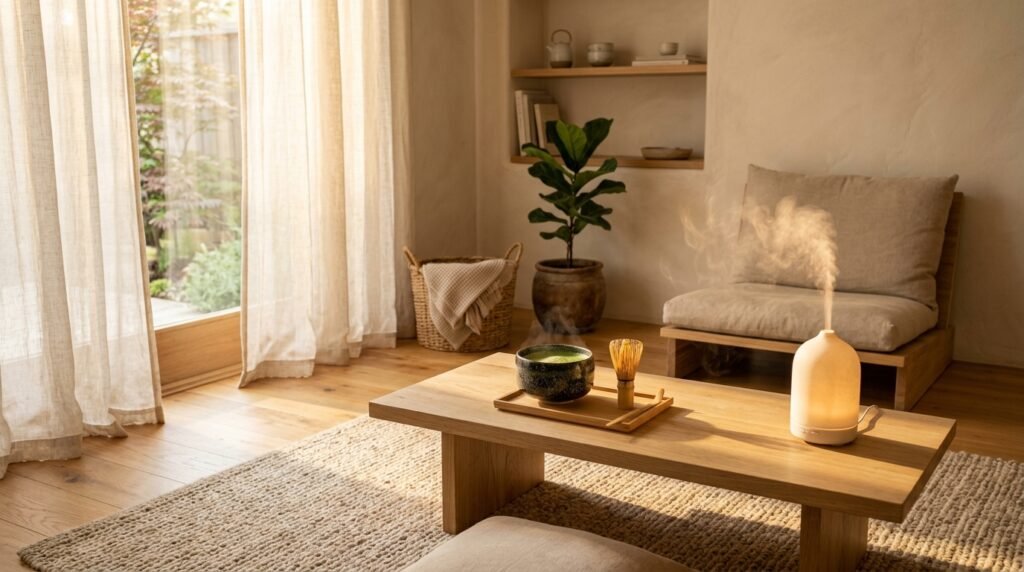
The Slow Living Manifesto
“Slow living is not about doing everything at a snail’s pace; it is about doing everything at the right pace. It is about savoring the hours rather than merely counting them, creating intentional friction against mindless digital consumption, and cultivating an unshakeable inner calm.”
In an era defined by continuous partial attention, algorithmic notifications, and the perpetual glorification of hustle culture, our nervous systems are under constant siege. We wake up to flashing LED screens, consume micro-doses of anxiety before getting out of bed, and sprint through jam-packed schedules while wondering why a chronic sense of mental exhaustion lingers beneath the surface.
The antidote to this modern affliction is not an expensive wellness retreat or a total withdrawal from society. It is the art of slow living—a conscious, deliberate recalibration of your daily cadence that prioritizes depth over velocity, presence over distraction, and sensory nourishment over digital stimulation.
When you master the art of slow living, your relationship with time fundamentally shifts. Productivity ceases to be a frantic race against the clock and evolves into a state of deep, effortless flow. In this comprehensive guide, we explore the physiological principles behind intentional deceleration and provide 5 science-backed daily rituals to reclaim your mental focus, regulate your nervous system, and restore tranquility to your everyday life.
The Neurobiology of Sensory Overload: Why Speed Drains Your Brain
To appreciate why slow living is a biological necessity rather than a mere lifestyle aesthetic, we must examine how the human brain processes environmental stimuli. For over 99% of human evolutionary history, our sensory inputs were organic, rhythmic, and paced by the natural arc of daylight.
Today, the average knowledge worker receives over 4,000 digital notifications and commercial impressions per day. Each ping, pop-up, and vibrating alert stimulates the brain’s ventral striatum, triggering a tiny squirt of dopamine that compels you to seek novelty. Over time, this creates severe dopamine receptor downregulation:
- Cognitive Fragmentation: Research from the University of California indicates it takes an average of 23 minutes and 15 seconds to regain deep focus after a single minor digital distraction.
- Sympathetic Tone Hyperactivity: Constant multi-tasking locks the autonomic nervous system into a low-grade fight-or-flight state, elevating baseline serum cortisol and thinning prefrontal cortex density.
- Sensory Desensitization: High-velocity digital stimulation numbs our capacity to experience joy from simple, tactile physical experiences—such as brewing tea, reading physical print, or enjoying silence.
☕ The Concept of “Deliberate Friction”
Slow living introduces deliberate friction into high-speed automation. By manually whisking ceremonial tea, writing reflections with a fountain pen, or walking without earbuds, you force your brain to disengage from automated urgency and re-enter the present moment with full sensory richness.
The 5 Daily Rituals of Slow Living for Deep Mental Focus
Integrating slow living into a modern schedule does not require abandoning your career or moving to a remote cabin. It requires anchoring your day with 5 non-negotiable micro-rituals that protect your cognitive bandwidth:
RITUAL 01
The Analog Morning Sanctuary (Zero Screens for 45 Mins)
How you spend the first 45 minutes of your morning sets your neural trajectory for the entire day. When you check your phone immediately upon waking, you surrender your brain’s high-plasticity alpha-wave state to the demands and opinions of other people.
Instead, create an Analog Sanctuary. Keep your smartphone outside the bedroom overnight. Begin your morning with slow diaphragmatic breathing, natural daylight exposure, and a mindful tactile beverage preparation ritual.
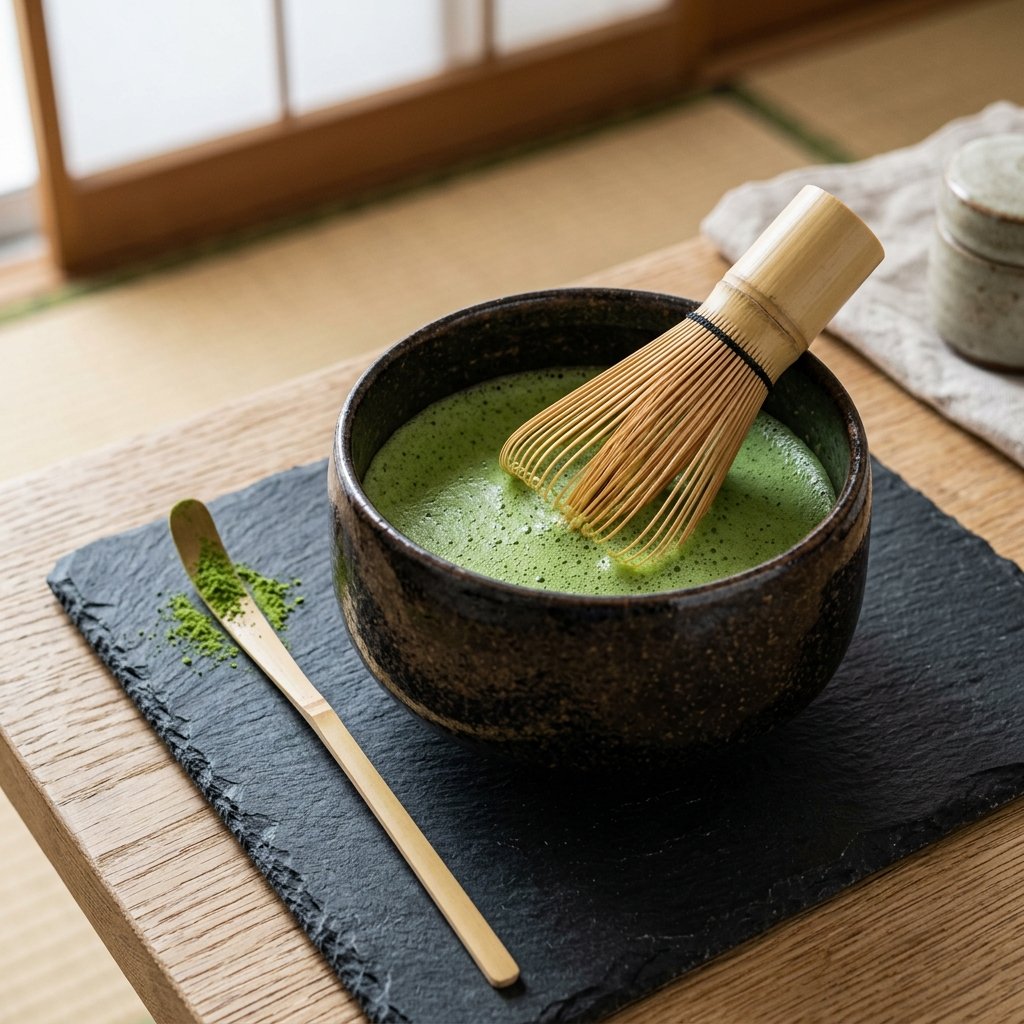
🍵 Mindful Morning Ritual
Authentic Bamboo Matcha Whisk & Ceramic Bowl Starter Kit
Handcrafted 100-prong golden bamboo chasen, traditional ceramic matcha bowl with pouring spout, ceramic whisk stand, and bamboo scoop. Turn your morning hydration into an intentional, meditative Japanese tea ritual.
$39.99
Save 38%
RITUAL 02
Single-Tasking Deep Work Blocks (The Rule of 90/20)
Multitasking is an illusion. Cognitive scientists have proven that rapid task-switching creates “attention residue,” where parts of your working memory remain stuck on previous incomplete tasks.
Slow living champions radical single-tasking. Structure your workday around 90-minute ultradian rhythm cycles followed by 20 minutes of complete cognitive rest (stepping away from all screens, stretching, or gazing at greenery).
RITUAL 03
Midday Somatic Decompression (Vagus Nerve Reset)
Sitting at a desk for consecutive hours stores chronic myofascial tension along the spine, neck, and shoulders. This physical stiffness sends subconscious danger signals to the amygdala, keeping your mind in a state of subtle agitation.
Dedicate 10 minutes at midday to somatic acupressure decompression. Lying down on thousands of therapeutic micro-points stimulates endorphin release, lowers resting blood pressure, and activates the parasympathetic branch of the vagus nerve.
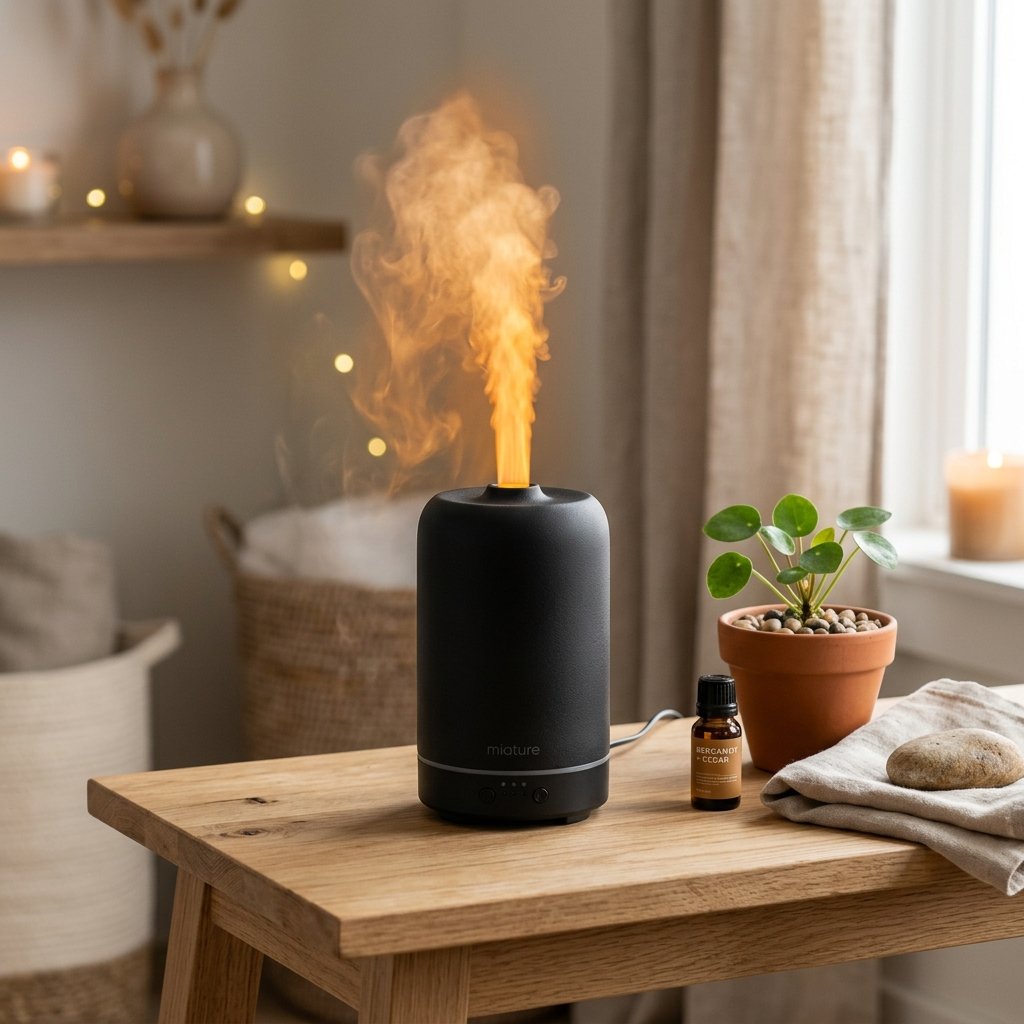
🔥 Ambient Living Essential
Ultrasonic Flame Effect Aromatherapy Essential Oil Diffuser
Transform your home or workspace into a serene sanctuary. Combines soothing ultrasonic cool mist with smart LED illumination to create an ultra-realistic glowing flame effect. Perfect for diffusing lavender, cedarwood, and bergamot.
$49.99
Save 40%
RITUAL 04
Environmental Olfactory Priming (Aromatherapy Anchoring)
The olfactory bulb has direct anatomical pathways into the limbic system—the brain’s emotional and memory headquarters. By consistently pairing calm mental states with pure botanical aromas (such as Japanese Hinoki wood, frankincense, or eucalyptus), you create conditioned neural anchors.
Diffusing botanical oils during your transition periods (such as ending the workday or beginning an evening reading session) signals your subconscious that the high-arousal work state is complete.
RITUAL 05
The 60-Minute Twilight Digital Sunset
Artificial short-wavelength blue light from tablets, smartphones, and overhead LED bulbs halts melatonin synthesis by mimicking high-noon solar radiation. An evening digital sunset is the cornerstone of slow living.
At 60 minutes before your target bedtime, switch off overhead fixtures in favor of warm ambient candlelight or diffuser illumination. Engage in tactile somatic recovery, journal your daily reflections, and allow your body temperature to descend naturally into deep slumber.
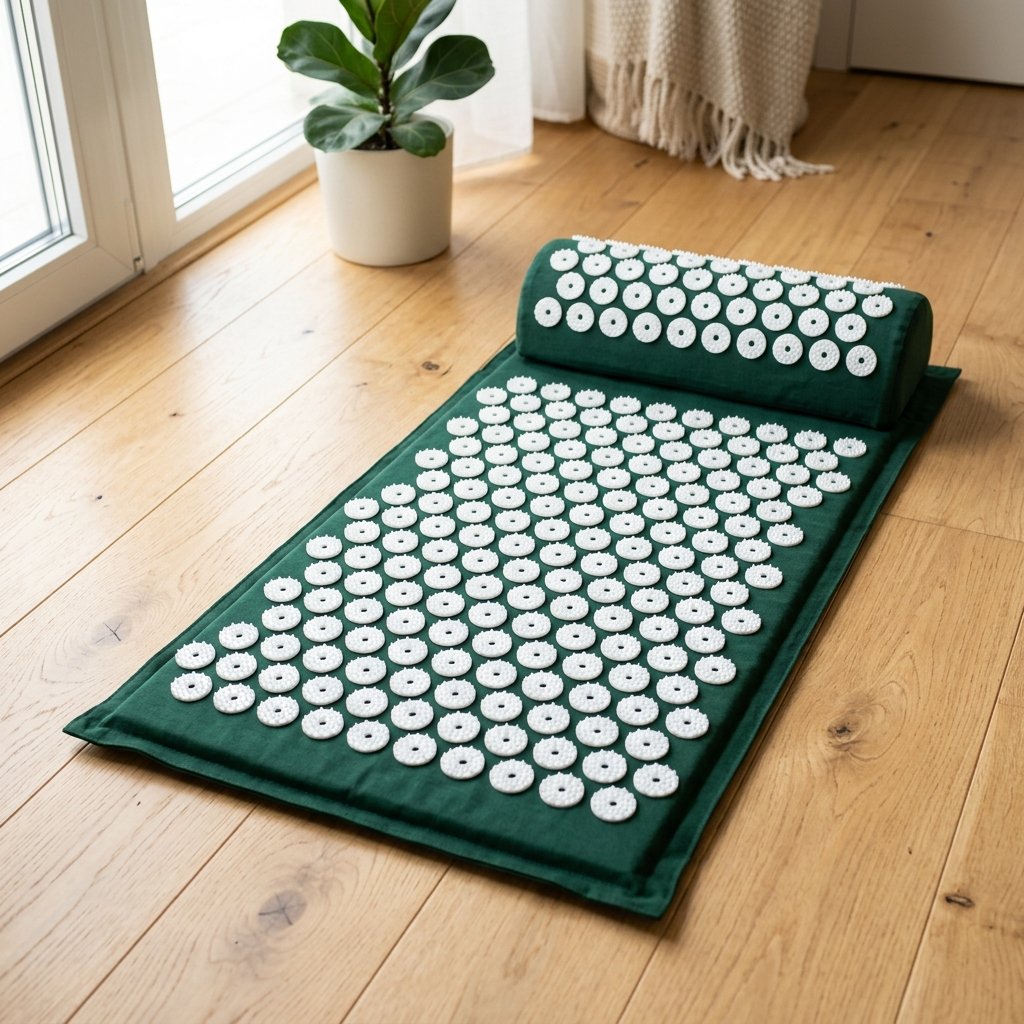
🧘 Somatic Healing Set
Therapeutic Acupressure Mat & Cervical Neck Relief Pillow Set
Equipped with 6,210 precision stimulation points made from non-toxic ABS resin. Naturally relieves lower back tension, eases shoulder knots, improves circulation, and induces deep parasympathetic relaxation in just 10–15 minutes.
$49.99
Save 34%
Comparison: High-Stimulation Lifestyle vs. The Art of Slow Living
Evaluating your daily lifestyle patterns side-by-side reveals the compound effect of intentional deceleration:
| Lifestyle Dimension | High-Stimulation Habit ❌ | The Slow Living Protocol ✅ |
|---|---|---|
| Morning Awakening | Instant social feeds & alarm panic | 45-minute analog sanctuary & daylight |
| Work Mode | Frantic multi-tab switching & chat pings | 90-minute single-task deep focus blocks |
| Beverage Consumption | Chugged boiling coffee while driving | Mindfully whisked ceremonial green tea |
| Evening Transition | Binge-watching shows until midnight in bed | Flame diffuser, somatic stretch & reading |
| Resting Heart Rate / HRV | Suppressed HRV, elevated sympathetic stress | High vagal tone, restorative parasympathetic state |
3 Common Myths About The Art of Slow Living
Myth 1: Slow Living Equals Low Ambition
In reality, top creative thinkers, Nobel laureates, and high-impact leaders achieve exponential output by protecting uninterrupted deep focus hours rather than filling every minute with busywork.
Myth 2: You Need Vast Free Time
Slow living is not about adding hours of leisure; it is about changing your quality of presence during the tasks you are already performing—from your morning tea to your evening wind-down.
Myth 3: You Must Disconnect from Tech Completely
Technology is a powerful tool when used deliberately. The art of slow living simply ensures technology serves your intentional goals rather than letting algorithms dictate your attention.
Frequently Asked Questions: The Art of Slow Living & Mental Focus
What is the primary philosophy behind the art of slow living?
The art of slow living focuses on intentional deceleration, mindful presence, and conscious alignment with your core values. Rather than maximizing speed and passive consumption, it emphasizes cultivating deep focus, emotional resilience, and sensory appreciation in everyday life.
How does practicing slow living improve daily productivity?
By eliminating constant task-switching and digital hyper-stimulation, slow living preserves cognitive bandwidth. Practicing single-task deep work blocks allows you to produce higher quality creative and analytical output in fewer total hours.
What are simple micro-habits to begin slow living today?
Start with three simple anchors: 1) Keep your smartphone away for the first 30 minutes after waking; 2) Practice a tactile morning beverage ritual like whisking matcha; and 3) Spend 10 minutes performing somatic acupressure stretching before evening sleep.
Can slow living help reduce chronic stress and anxiety?
Yes. Pacing your sensory intake, engaging in rhythmic tactile rituals, and reducing blue-light exposure directly stimulates the vagus nerve, shifting your autonomic nervous system from chronic sympathetic fight-or-flight into parasympathetic recovery.
Cultivate Your Mindful Daily Living Space
Slow living starts with the environment you create. Explore Morning Vibes 9 for curated aromatherapy essentials, mindfulness tea sets, and ergonomic somatic recovery tools.
Loved this?
Join Slow Mail — Tuesday journals + Sunday rituals.