
Safe Pregnancy Exercises & Essential Wellness Gear for Moms
September 9, 2026 • 5 min read • By Manoj Kumar
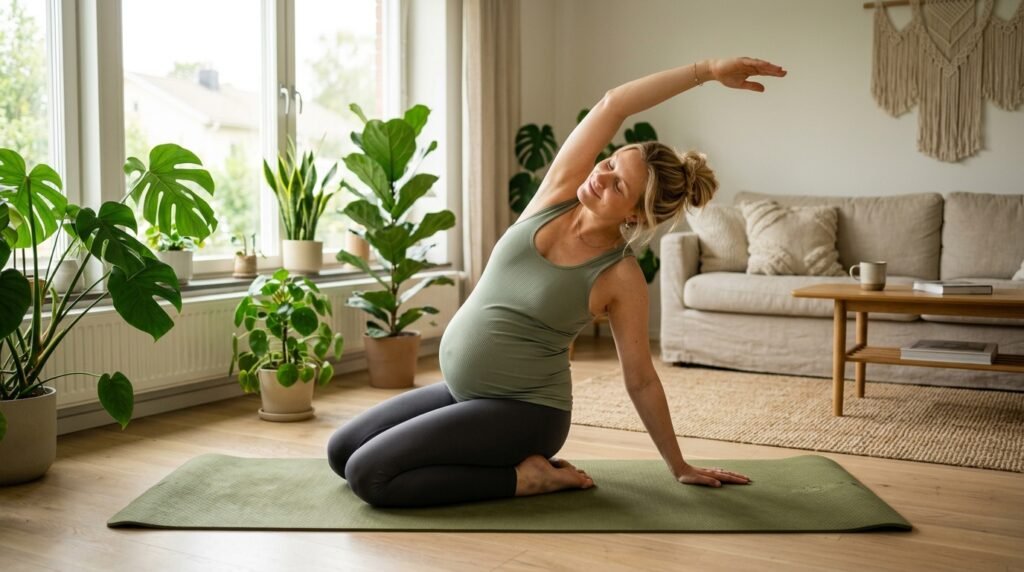
Morning Vibes 9 Wellness Guide • Verified Protocol
A comprehensive, evidence-based guide designed to cultivate vitality, mindfulness, and long-term sustainable daily habits.
Pregnancy is an extraordinary journey of profound physical transformation. As your baby grows, your body produces relaxin—a hormone designed to soften ligaments in preparation for childbirth. While relaxin is vital, it also makes joints and connective tissues more pliable, altering your center of gravity and placing increased demands on your lower back, hips, and pelvic girdle.
Staying active with gentle, doctor-approved safe pregnancy exercises is one of the greatest gifts you can give both yourself and your developing baby. Regular prenatal movement reduces backaches, prevents gestational diabetes, eases swollen extremities, boosts daytime energy, and builds the stamina required for a smooth labor and rapid postpartum recovery.
Key Principles of Safe Prenatal Movement
Before beginning any exercise routine during pregnancy, keep these medical guidelines at the forefront:
- The ‘Talk Test’: You should always be able to hold a comfortable conversation while exercising. Avoid intense breathless exertion that raises your core body temperature.
- Avoid Flat Supine Positions After Trimester 1: Lying flat on your back after the 16th week can compress the inferior vena cava, reducing blood flow to both mom and baby. Always use side-lying or inclined postures.
- Hydration and Pelvic Stability: Drink water before, during, and after movement. Avoid sudden twisting movements or high-impact jumping that strains the pubic symphysis.
- Listen to Your Body: If you feel dizziness, sharp pelvic twinges, or shortness of breath, stop immediately and rest in a comfortable side-lying position.
5 Best Safe Pregnancy Exercises for Every Trimester
These 5 low-impact, restorative exercises strengthen key postural muscles while keeping you and your baby completely safe:
1. Prenatal Pelvic Tilts (Cat-Cow on All Fours)
Come onto hands and knees with a folded blanket under your knees for cushioning. Gently inhale as you let your belly relax slightly, then exhale as you gently draw your baby bump upward toward your spine, rounding your back slightly. This decompresses lumbar vertebrae and relieves sciatic nerve pressure.
2. Supported Prenatal Squats (Pelvic Floor Opening)
Stand with feet slightly wider than shoulder-width, toes turned slightly out. Hold onto a sturdy chair or doorframe for balance. Inhale as you lower your hips into a comfortable squat, keeping your chest tall. Exhale as you press through your heels to return to standing, gently engaging your pelvic floor. Repeat 10 to 12 times.
3. Side-Lying Clamshells (Gluteus Medius Strength)
Lie on your left side with knees bent at a 45-degree angle and your head supported on a pillow. Keep your feet touching as you slowly raise your top knee toward the ceiling, then lower it down. This strengthens the hip stabilizers that prevent pregnancy-related sacroiliac (SI) joint pain.
4. Seated Side Bends on a Birth Ball
Sit tall on an anti-burst exercise stability ball with feet planted flat on the floor. Inhale as you raise your right arm overhead, then gently side-bend to the left. You will feel a deep, refreshing opening along your rib cage and intercostal muscles, creating space for comfortable breathing.
5. Supported Goddess Pose (Utkata Konasana)
Step your feet wide with toes turned outward at 45 degrees. Lower your hips into a wide, gentle squat while keeping your spine long. Rest your hands on your thighs or bring palms together at your heart. This builds immense inner strength, opens the pelvic inlet, and calms labor anxiety.
Curated Maternity & Prenatal Wellness Gear
Using supportive, high-comfort tools can transform your pregnancy journey from uncomfortable to restful. Discover these curated products from the Morning Vibes 9 Store:
Ergonomic Full-Body Maternity Pillow
U-shaped contoured design provides optimal alignment for head, neck, growing bump, hips, and knees during side sleeping.
Eco-Friendly Alignment Yoga Mat
6mm extra-thick high-density TPE cushioning cushions sensitive joints and provides a secure, non-slip surface for prenatal floor poses.
Motivational Time-Marked Water Bottle
BPA-free motivational water tracker ensures you meet your essential 3-liter daily hydration goal to support amniotic fluid levels.
Evidence-based prenatal guidelines published by the American College of Obstetricians and Gynecologists (ACOG) confirm that moderate physical exercise throughout pregnancy promotes optimal maternal and fetal health outcomes. Discover more in our Wellness Hub.
Conclusion: Honoring Your Body’s Wisdom
Pregnancy is a time of listening and tuning in. Celebrate every small movement, rest without guilt when your body asks for stillness, and embrace the strength that already resides within you.
Elevate Your Morning Rituals & Wellness Sanctuary
Discover our curated selection of ergonomic gear, mindful meditation tools, organic lifestyle essentials, and daily wellness products.
Explore Morning Vibes 9 Store →Loved this?
Join Slow Mail — Tuesday journals + Sunday rituals.