
The Dawn Effect: Transform Morning Energy with Circadian Lighting
September 15, 2026 • 8 min read • By Manoj Kumar
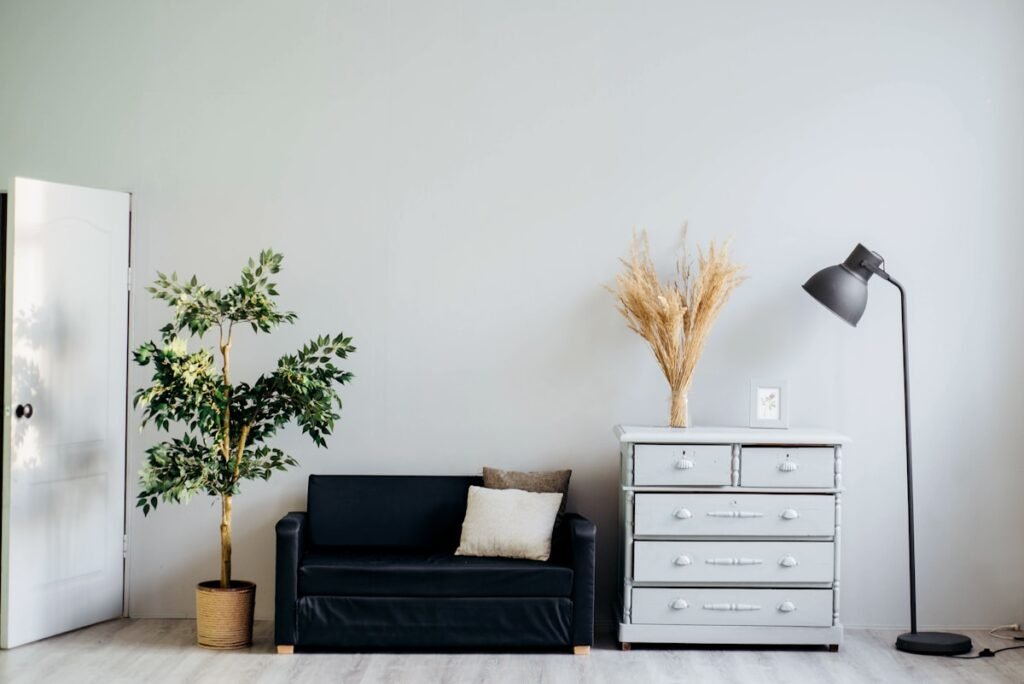
Imagine waking up not to the piercing, panic-inducing chime of a smartphone alarm vibrating against your nightstand, but to a slow, radiant wash of dawn light that naturally nudges your brain out of deep slumber before you even open your eyes. This is not a luxury retreat fantasy—it is the biological reality of circadian lighting.
We live in an era where millions of high-performing individuals start their days in a state of neuro-chemical shock. When a loud auditory alarm jolts you from a rapid eye movement (REM) or slow-wave sleep stage, your sympathetic nervous system fires off a sudden spike of adrenaline and cortisol. Your heart races, your muscles tense, and your brain is left stumbling through a thick, disorienting haze known as sleep inertia.
For decades, we blamed ourselves for being “not a morning person.” We reached for immediate triple-shot espressos, scrambled through early routines in a fog, and battled persistent mid-afternoon energy crashes. But modern chronobiology has revealed a much simpler truth: the human body was never designed to wake up to noise. It was built to wake up to light.
By integrating a dedicated circadian wake-up light into your daily living space, you restore your brain’s natural biological rhythm, turn your bedroom into an intentional sanctuary, and master your energy from sunrise to evening rest.
The Biological Blueprint: Why Dawn Simulation Changes Everything
At the core of your brain sits a cluster of approximately 20,000 nerve cells known as the suprachiasmatic nucleus (SCN). Think of the SCN as your internal master clock. It orchestrates body temperature, hormonal synthesis, metabolic rate, and cognitive alertness across every 24-hour cycle.
The master clock relies heavily on input from specialized non-visual photoreceptor cells located in your retinas: intrinsically photosensitive retinal ganglion cells (ipRGCs). These cells contain a photopigment called melanopsin, which is exquisitely sensitive to changes in environmental light intensity and color temperature.
Melatonin Suppression
As the lamp gradually brightens 30 minutes before your wake time, faint amber and warm spectrums penetrate the thin skin of your eyelids, signaling the pineal gland to stop producing melatonin.
Cortisol Awakening (CAR)
Natural lux progression triggers a steady, healthy rise in morning cortisol, supplying clean biological alertness without the jittery adrenaline rush of sound alarms.
Sleep Stage Shift
Your brain smoothly transitions from delta-wave deep sleep to alpha and beta conscious brainwave patterns, making waking up feel effortless and spontaneous.
When you wake up under dawn simulation, you bypass the cognitive deficit that leaves most people dragging through their first two hours of work. If you have explored our guide on the art of slow living and daily rituals, you know that the tone you set in your first 30 waking minutes governs your nervous system for the remainder of the day.
The Morning Shift: Standard Smartphone Alarm vs. Circadian Dawn Simulation
To understand why upgrading your waking environment is one of the highest-leverage lifestyle investments you can make, examine how the two morning experiences contrast side by side:
| Lifestyle Parameter | Phone Alarm Routine ❌ | Circadian Light Routine ✅ |
|---|---|---|
| Awakening Mechanism | Abrupt acoustic alarm bursts (80+ dB) | Gradual 30-min lux increase (0 to 100%) |
| Immediate Hormone State | Sudden adrenaline rush & elevated pulse | Balanced cortisol & suppressed melatonin |
| Sleep Inertia Duration | 45 to 90 minutes of heavy grogginess | Under 10 minutes to full mental clarity |
| Evening Wind-Down Role | Blue-light phone screens keep brain alert | Sunset simulation triggers natural drowsiness |
| Bedroom Aesthetic Vibe | Cluttered cords, glowing notifications | Warm sculptural glow, mindful sanctuary |
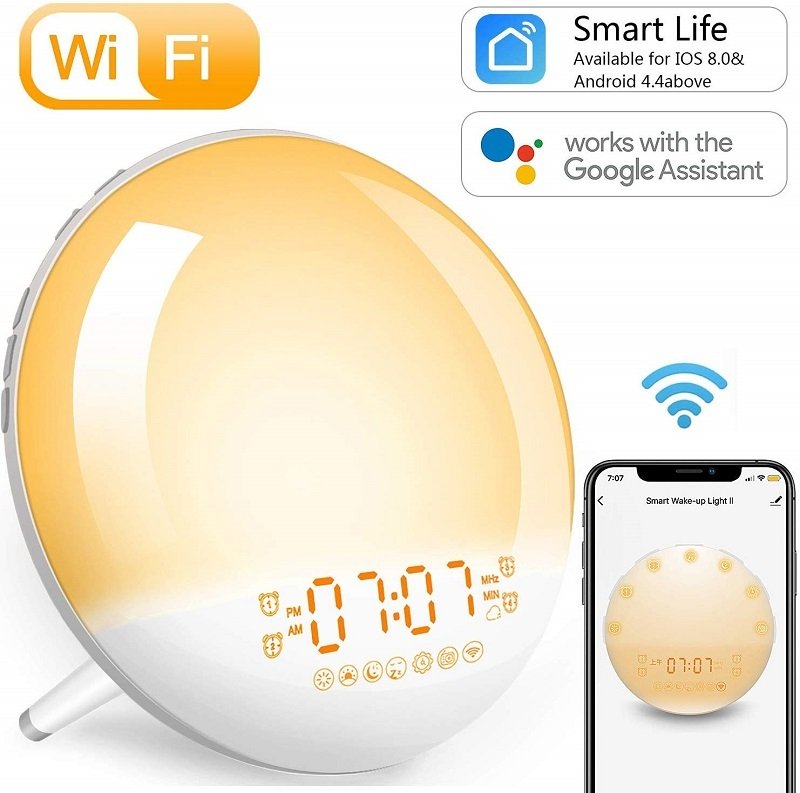
Editor’s Choice • MorningVibes9 Curated Store
Simulated Sunrise & Sunset Natural Wake-Up Smart Table Lamp
Elevate your bedroom into a rejuvenating circadian sanctuary. Features 2nd-generation customizable sunrise simulation (10–60 min ramp-up), ambient twilight sunset fade for effortless melatonin production, hands-free Alexa/Google Assistant voice control, 20 nuanced brightness levels, dual lifestyle alarm profiles, and integrated device charging.
🌙 Sunset Sleep-Aid Mode
🎙️ Smart Voice & App Sync
⚡ USB Charging Output
$226.62
(Secure Worldwide Store)
Architecting Your Daily Rhythm: A 4-Step Lifestyle Framework
A high-quality lifestyle is built on intentional transitions rather than abrupt disruptions. Here is how to incorporate light-driven habits into your morning and evening flow:
Set the Pre-Dawn Window (The 30-Minute Ramp)
Configure your wake-up lamp to begin illuminating 30 minutes before your planned rising time. Start at a deep reddish amber (simulating early nautical twilight), allowing the illumination to gradually climb toward bright, energizing 3000K soft white light. By the time the subtle acoustic birdsong or gentle chimes activate, your nervous system is already in an awake, receptive state.
Preserve the First 30 Minutes of Analog Space
Keep your phone off your nightstand. By replacing the smartphone alarm with a standalone smart light, you eliminate the temptation to check emails, headlines, or notifications the instant you open your eyes. Use this protected morning pocket for mindful hydration, light somatic movement, or savoring a warm beverage. For a deeper look at aligning wake times with natural vitality, explore our circadian reset protocol for peak energy.
Daytime Lighting Anchors for Sustained Cognitive Focus
Your circadian system requires strong contrast. During your work hours, ensure your workspace is illuminated with high-lux natural or bright full-spectrum daylight. This reinforces your daytime circadian amplitude, sharpening focus and preventing midday lethargy.
The 45-Minute Evening Twilight Wind-Down
Before bed, engage the lamp’s sunset simulation mode. As overhead lighting is extinguished, let the lamp slowly dim over 45 minutes from warm golden amber to a faint embers-glow. This non-disruptive red-spectrum light allows your eyes to relax, triggers deep yawning, and facilitates effortless sleep onset.
The 7-Day Transition: Resetting Your Sleep-Wake Rhythm
If you have spent years waking up to an iPhone alarm, your nervous system has developed conditioned stress associations with morning waking. Use this 7-day calibration schedule to gently synchronize your biology:
- Days 1–2 (Baseline Calibration): Place your simulated sunrise lamp approximately 20–25 inches from your pillow at eye level. Set your current target wake time with a 20-minute sunrise ramp and keep a backup alarm set for 10 minutes later just for peace of mind.
- Days 3–4 (Fine-Tuning Brightness): Increase the ramp duration to 30 minutes. Notice how you start naturally opening your eyes 2 to 5 minutes before any audio chime begins. Eliminate the backup phone alarm completely from the bedroom.
- Days 5–6 (Evening Twilight Sync): Turn on the 30-minute sunset fade at night while reading a physical book or practicing light stretching. Observe how quickly sleepiness settles in compared to scrolling under harsh screens.
- Day 7 (Full Biological Alignment): Your central nervous system is now anticipating the light cues. You will wake feeling rested, clear-headed, and energized without a trace of frantic alarm anxiety.
3 Common Misconceptions About Circadian Wake-Up Lights
Myth 1: “I’m a heavy sleeper; light won’t wake me.”
Even in the deepest sleep stages, your eyelids allow over 10–15% of ambient light to reach retinal photoreceptors. The brain naturally processes this sensory cue to transition out of deep slow-wave sleep before waking. Plus, high-end lamps include natural backup acoustic chimes if needed.
Myth 2: “Opening bedroom blinds does the exact same thing.”
Natural sunlight varies dramatically depending on the season, cloud cover, sunrise timing, and your geographic location. In winter months, natural sunrise may occur hours after your required waking time. A programmable sunrise lamp delivers reliable, predictable circadian cues 365 days a year.
Myth 3: “Any bedside dimming lamp will work.”
Standard table lamps lack the calibrated lux curves, non-linear progression algorithms, and specific warm-to-cool Kelvin color temperatures needed to stimulate melanopsin and regulate cortisol smoothly.
Frequently Asked Questions
How does a circadian wake-up light differ from a standard smartphone alarm?
A standard alarm shocks your nervous system out of deep sleep with sudden abrasive sound, spiking adrenaline and creating sleep inertia. A circadian wake-up light uses gradual dawn simulation—slowly increasing warm amber to bright daylight across 30 to 60 minutes—allowing retinal photoreceptors to suppress melatonin and trigger a natural cortisol awakening response before any sound plays.
Can simulated sunset lighting improve nighttime sleep onset?
Yes. When a smart lamp transitions gradually from warm golden amber to a fading deep red sunset hue, it mimics natural twilight. This absent blue-wavelength environment signals the brain’s pineal gland to ramp up endogenous melatonin production, easing physical restlessness and helping you drift off naturally.
How long does it take for your body to adapt to a dawn simulator?
Most people notice a dramatic decrease in morning grogginess within 3 to 5 days. Full biological synchronization of your central circadian pacemaker typically takes 7 to 14 days of consistent wake-up timing.
Where should a wake-up light be positioned in the bedroom for maximum benefit?
Place the lamp on your bedside table approximately 15 to 30 inches away from your head, angled toward your pillow so that ambient light passes through your closed eyelids as dawn begins.
Transform Your Mornings with Intentional Living
Your morning routine shouldn’t feel like an uphill battle against your biology. Bring calm, balanced energy and effortless waking into your everyday lifestyle with curated essentials from Morning Vibes 9.
Loved this?
Join Slow Mail — Tuesday journals + Sunday rituals.